

What is a weed?
A weed is any plant growing where it is not wanted. There are some examples of typical "weeds" below, but even tomato plants or tree seedlings in the wrong place could be "weeds"!
Let it grow, let it grow…
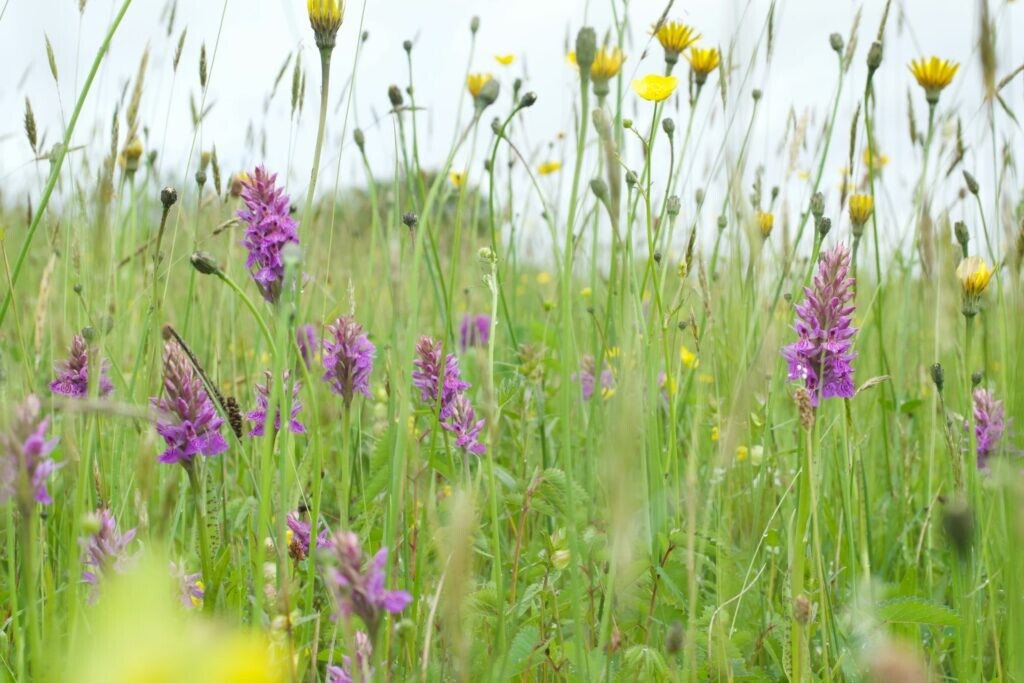
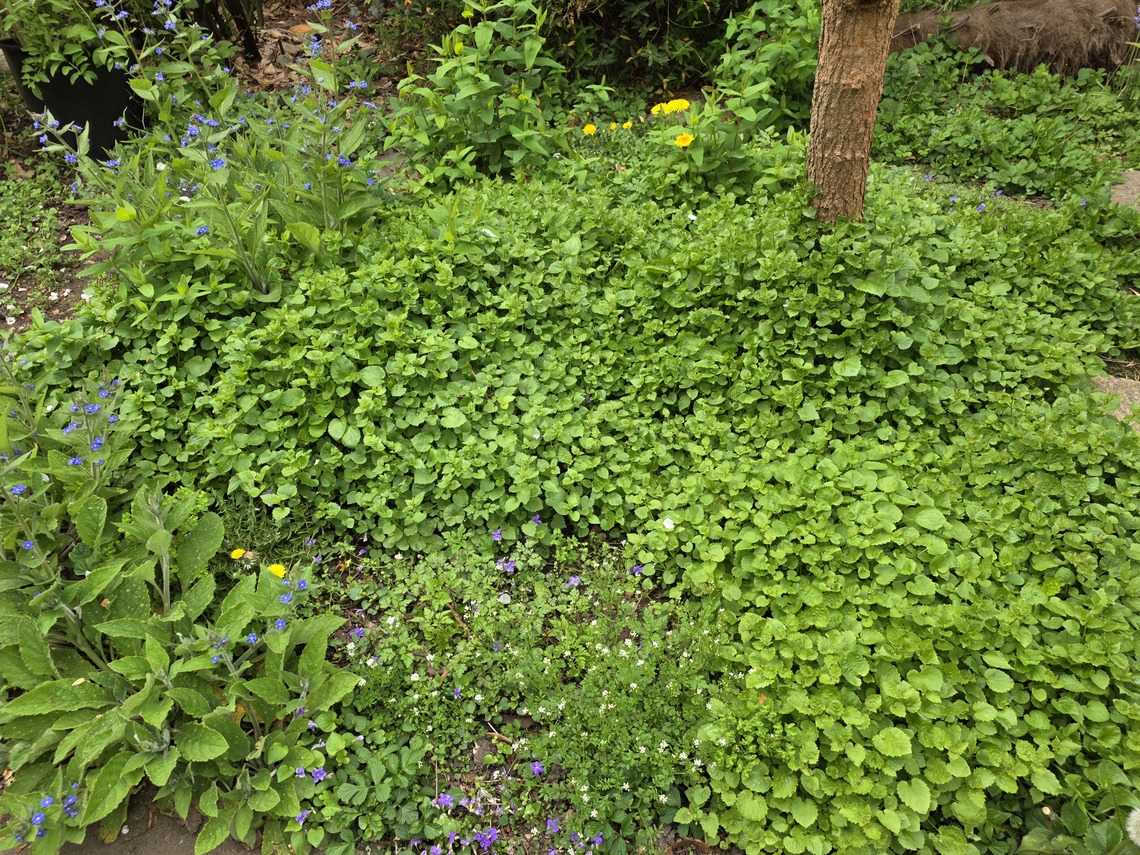
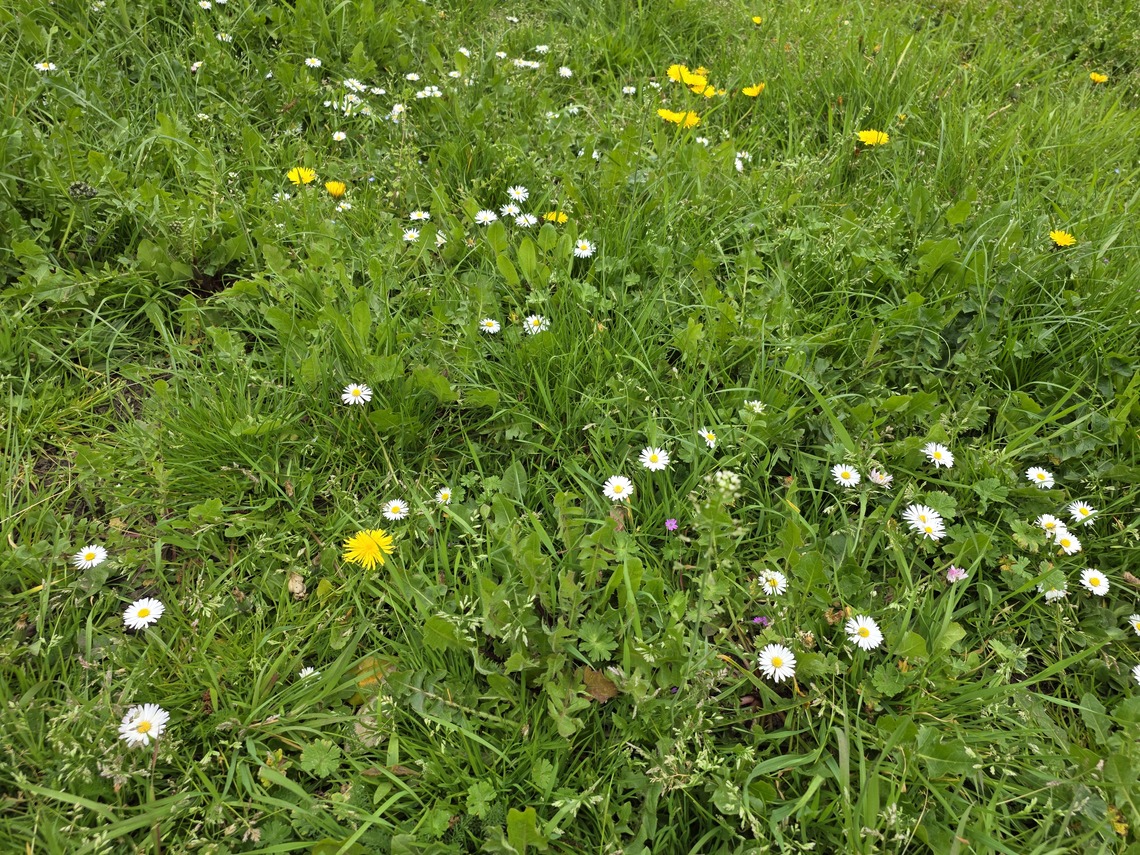
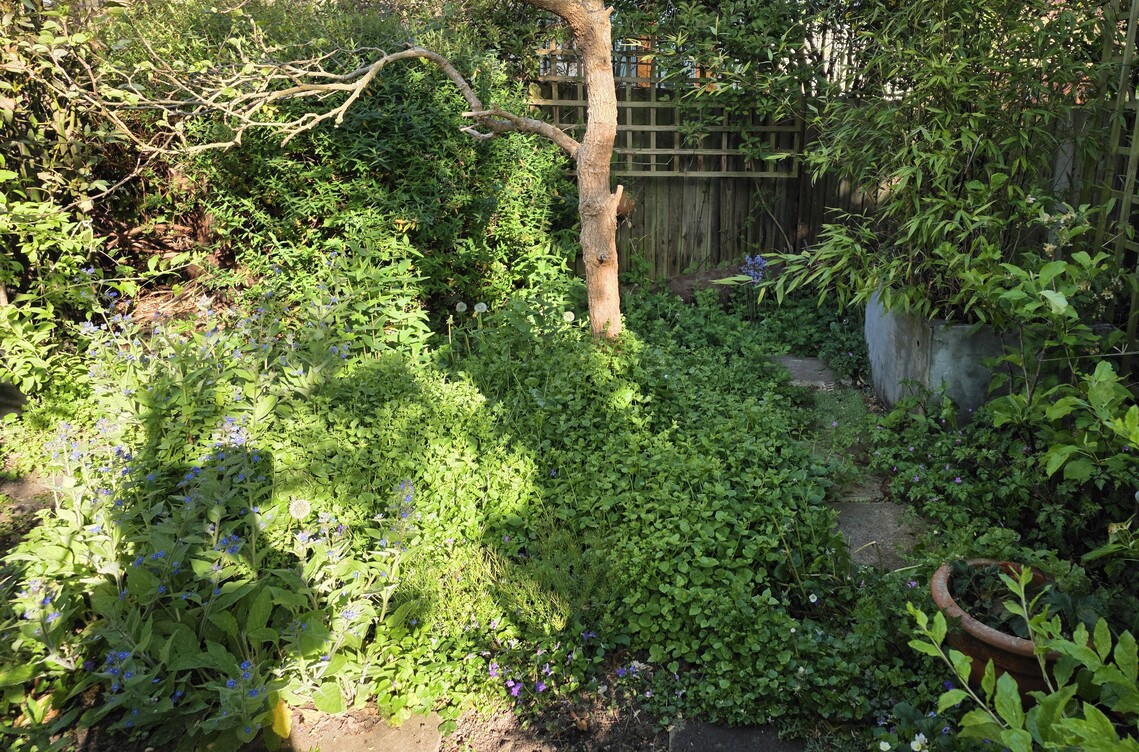
Many people would love to grow a wildflower meadow like the one in picture A below, and wildflower seeds are easy to find these days. The Wildlife Trusts have some good advice on growing mini-meadows, though wildflowers can be surprisingly fussy and difficult to grow. You can achieve results more easily by simply letting wildflowers colonise bare earth or grass as in pictures B (a bare patch under a tree in a garden) and C (a roadside verge left unmown in spring). On the other hand, there is little chance of successful seeding, or even colonisation, of short-cuts or desire paths (D), where the ground is very hard and any seedling that struggles through will be trodden on.
If you'd like to adopt and (re-)wild a grass verge or a Council-owned flower bed or donate a tree please email for permission and guidance from the Council Green Spaces Team.
 |
 |
 |
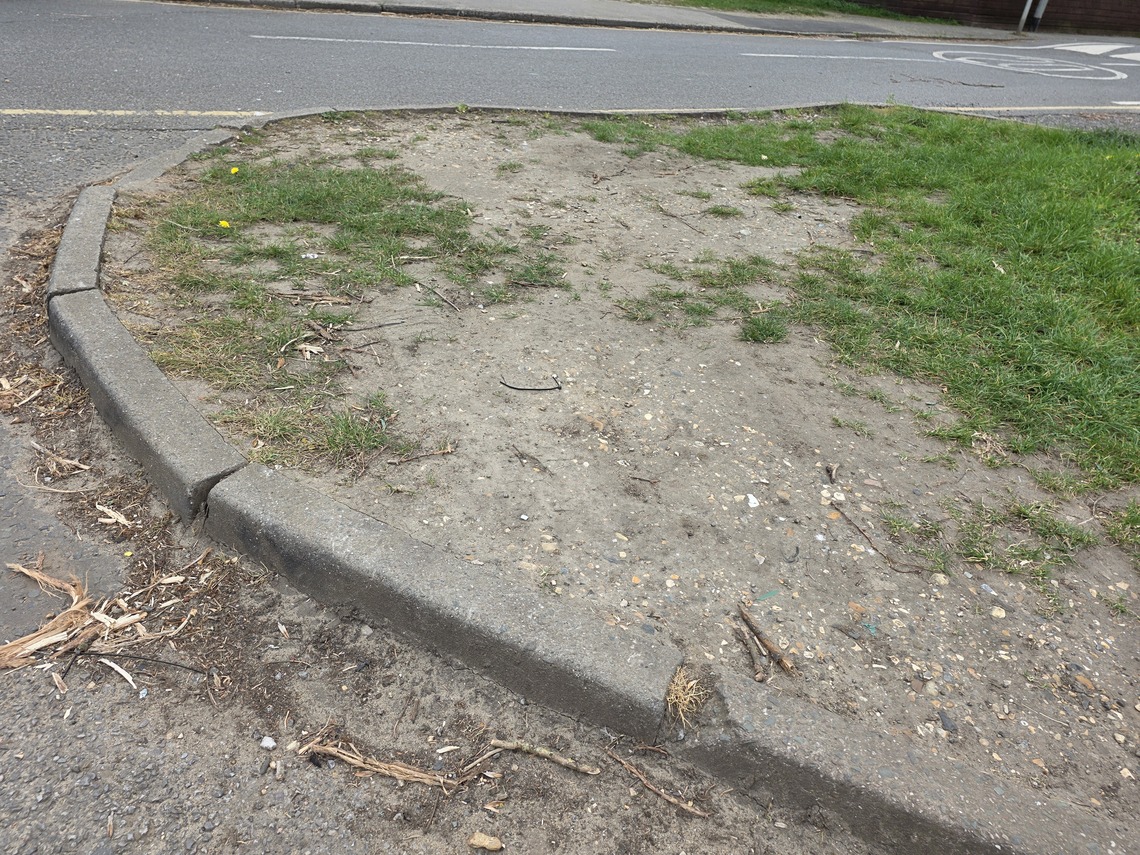 |
| A | B | C | D |
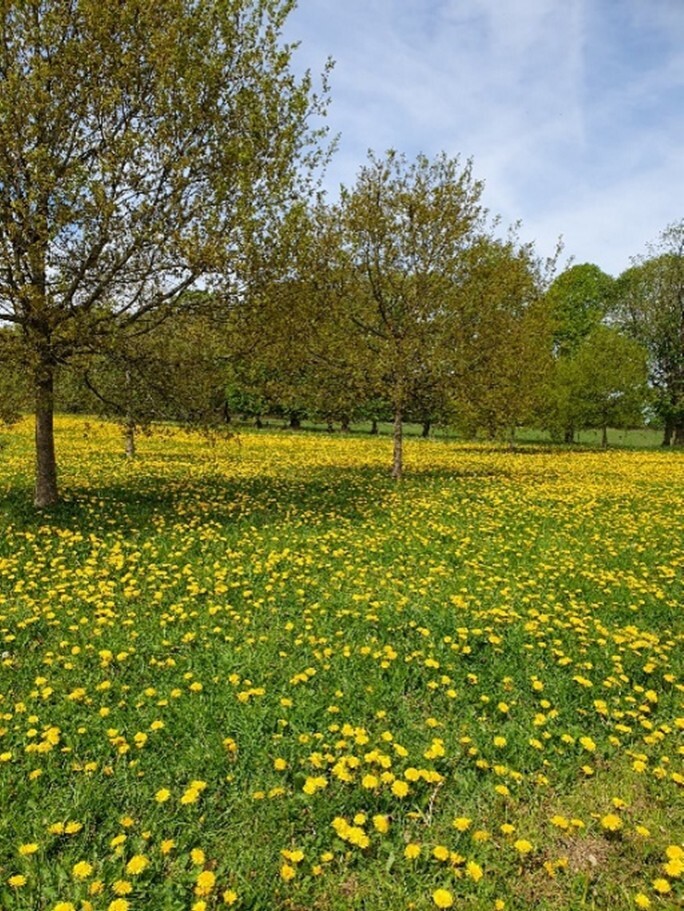 Dandelions
Dandelions flower early and provide foraging for many different insects including bees, moths, flies and wasps at a time of year when there are few other wildflowers. Some of the insects they support are pollinators and are eaten by birds, so they all play a vital role in wildlife food chains. They can look beautiful too, as in the meadow on the left.
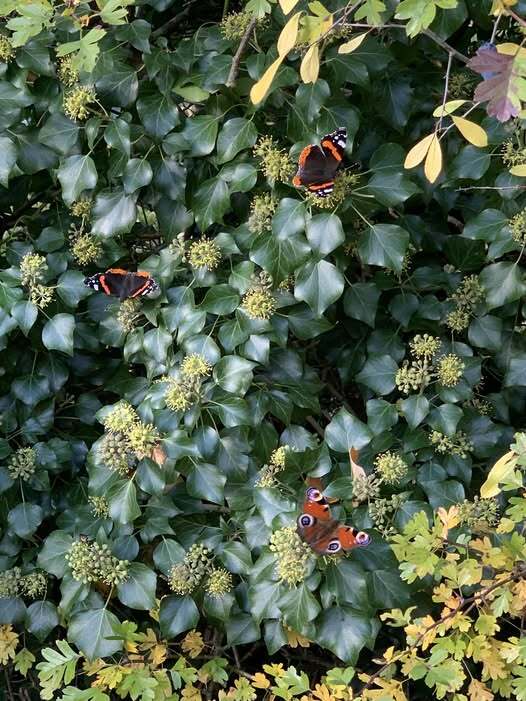
Ivy
By flowering late in the year, ivy is an important autumn provider of pollen for insects such as bees, butterflies and moths. Its berries, which ripen in early spring, provide food for birds at a time when there is little else. Its foliage also provides shelter for wildlife and can protect public-facing walls and fences from graffiti.
Ivy does not bore into or destroy buildings or trees – its roots are in the ground and the suckers are for support only. Careful pruning can keep it under control and prevent it weighing down fences or branches. Read more on the benefits of ivy to wildlife.
Nettles
Stinging nettles provide food for the caterpillars of the small tortoiseshell and peacock butterflies, ladybirds eat the aphids that they shelter, and seed-eating birds enjoy their autumn seeds.
Brambles
Around 240 invertebrates - insects, mites, spiders, moths and butterflies… - are associated with brambles, as well as mammals that live, shelter in and under brambles, eat the fruits (as we do) and use brambles as a corridor. Similarly, birds nest in and feed from brambles. They can also make better tree guards than plastic!
"Messy" gardens
Trees
See also:
Plantlife UK "Our mission is to secure a world rich in wild plants and fungi."
RHS on Wildlife Gardening and RHS on Weeds, how to deal with them if you need to